



How to choose squash strings
How to Choose Squash Strings: A Comprehensive Guide to Squash Racquet Strings
Choosing a squash string can feel overwhelming, right? This guide to squash strings will walk you through everything. From understanding what squash racquet strings are made of, to how string tension affects your game, we've got you covered. We'll help you make the best choice of string for your game.
Understanding Squash Strings
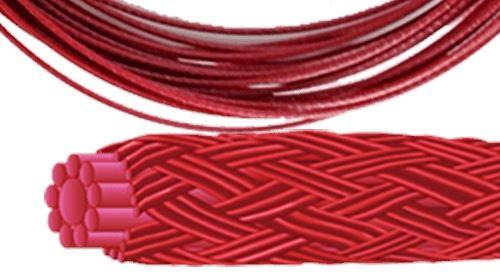
A string is the heart of your squash racquet, responsible for transferring your energy to the squash ball. Different string types and materials impact the feel and playability. Strings come in various gauges and materials, influencing power and control.
The right string can elevate your power and control, while the wrong one can make it harder to play your best. The choice of string influences how the squash ball bounces off your racquet.
Types of Squash Strings: Natural gut, Synthetic gut or Multifilament
Since the natural gut is used very rarely in squash, we won't spend time on it.
Synthetic gut is still common as factory strings since they are inexpensive and durable. However, they are rarely a choice of competitive players due to their lack of feel.
Although monofilament/polyester strings are very popular in tennis, they are not ideal for squash because of their excessive stiffness.
In short, most high performance squash strings are multifilament. You just need to choose the brand and the gauge.
Factors to Consider When Choosing the Right Squash String
Choosing a squash string depends on your playing style, level, and how often you play. If you are an advanced player, you may choose thinner strings with a higher tension if you are not too concerned about durability.
A good example of a high performance string is Tecnifibre 305 SPL 1.10 (18g), which has excellent touch and power but is quite fragile.
Ashaway SuperNick ZX Micro 18g Orange/Blue could be an excellent alternative, as it also provides very good control and power, as well as having superior durability.
String Gauge and Its Impact on Performance
Are you looking for power, control, or durability?
String gauge refers to the thickness of the string. Thicker strings are more durable but offer less feel. Thinner strings provide enhanced feel and power. If you break strings often, consider thicker strings for better durability.
As a reference, Ashaway SuperNick XL 17g offers both durability and tension maintenance, especially if you play longball or hardball doubles.
String Patterns and Their Influence on Play
String patterns affect how the ball interacts with the string bed. Denser string patterns offer more control, while looser string patterns provide more power and spin. Fewer strings in the string bed will give you a looser feel. You must consider this when stringing your racquet.
In other words, if you're hitting all over the place, often overhitting the ball, consider stringing your racquet at a higher tension like 28 lb for example.
It should be noted that strings tend to move around and break more easily on less dense string patterns (12x17, for example) as a result of increased friction, so choose strings that are more durable if you are concerned about this (i.e. any Ashaway 17g strings).
String Tension and Control
String tension refers to how tightly the string is pulled across the frame of your squash racquet. This significantly impacts the way the squash ball responds when you hit it. Understanding string tension is crucial because it affects both power and control.
How Tension Affects Control and Power
High string tension typically offers more control, allowing you to place the ball with greater accuracy. However, it often reduces power. Conversely, low tension can increase power, making it easier to hit deep shots, but at the cost of control. Therefore, choosing the right string tension is about balancing power and control. String and tension play a big role in your shots.
Adjusting Tension for Different Playing Styles
In general, squash string tension is between 20 and 30 pounds (9 kg-13.5 kg).
Aggressive, hard-hitting squash players might prefer lower string tension for added power (i.e. 23 lb -24 lb).
Players who prioritize precision and finesse may opt for higher string tension for better control (i.e. 27 lb -28 lb)
Experimenting with different string tensions is essential to find what works best for your playing style.
Popular Brands and Their Offerings
While many racquet brands make or market squash strings under their names, in reality there are just a few major squash string manufacturers.
In this article, we will focus on two leading squash brands: Tecnifibre and Ashaway.
It is, however, worthwhile to mention that Karakal, Head, Unsquashable, and Dunlop also hold significant market shares.
Ashaway: Quality and Performance
Ashaway is a well-known brand in the world of squash, known for producing high-quality strings that offer a blend of durability and performance. Many players prefer Ashaway strings for their consistent feel and reliable performance on the court. Ashaway strings are often used by advanced players who want durability.
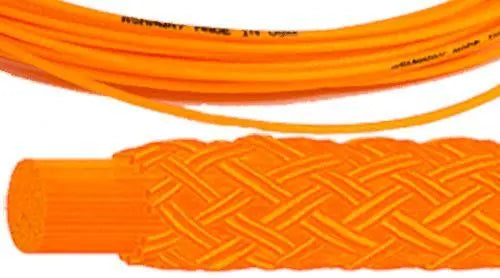
Tecnifibre: World's most popular squash string brand.
Tecnifibre squash strings are engineered to provide enhanced power, control, and comfort. They are known for using advanced materials and construction techniques to create strings that meet modern players' demands.
As a downside, durability is a major concern. Based on our experience, Tecnifibre strings are considerably more fragile than Ashaway.
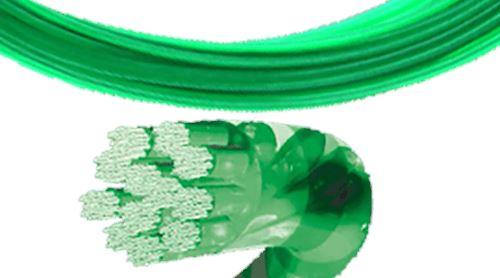
String Maintenance Tip
Strings dislike extreme heat, cold, or humidity. On hot days, keep your squash racquet in a bag with a thermal compartment, especially if you have to keep it in the trunk of your car.
An interesting fact is that pro players usually don't check their racquets in luggage when traveling and take them on board instead.
When to Replace Your Squash Strings
As it greatly depends on your level and style of play, there are no strict rules about how many hours you need to play before restringing your racquet.
Basically, your racquet should be re-strung when you feel it's losing performance. If you play regularly but don't know when your strings need replacing, we recommend re-stringing your racquet twice a year.
Signs of Worn-Out Strings
Several signs indicate that your squash strings are due. Fraying is a common indicator, where the strings appear worn and fuzzy. Loss of tension is another sign. If your squash ball isn't responding like it used to, it's likely that your string tension has dropped. Also, if the strings have lost their elasticity, it's time for replacement.
Stringing Your Racquet
Ideally, you should visit a store that offers a large selection of squash strings and provides professional stringing services using an electronic machine. Some stores specialize in badminton and tennis only and are not knowledgeable enough about stringing squash racquets. While the stringing process is similar for all racquet sports, squash racquets differ considerably in shape. It is crucial to respect the string pattern while stringing to ensure optimal performance.
With over 20 years' experience stringing squash racquets, we can offer you professional advice and guarantee the highest quality stringing service.
https://sportsvirtuoso.com/collections/squash-stringing-service
What strings do the pros use?
There is an apparent dominance of Tecnifibre strings on the market despite the fact that they are more fragile than their competitors. It appears that the majority of top players string their racquets between 24 lb and 26 lb, but there are many examples of racquets strung at a lower or higher tension.
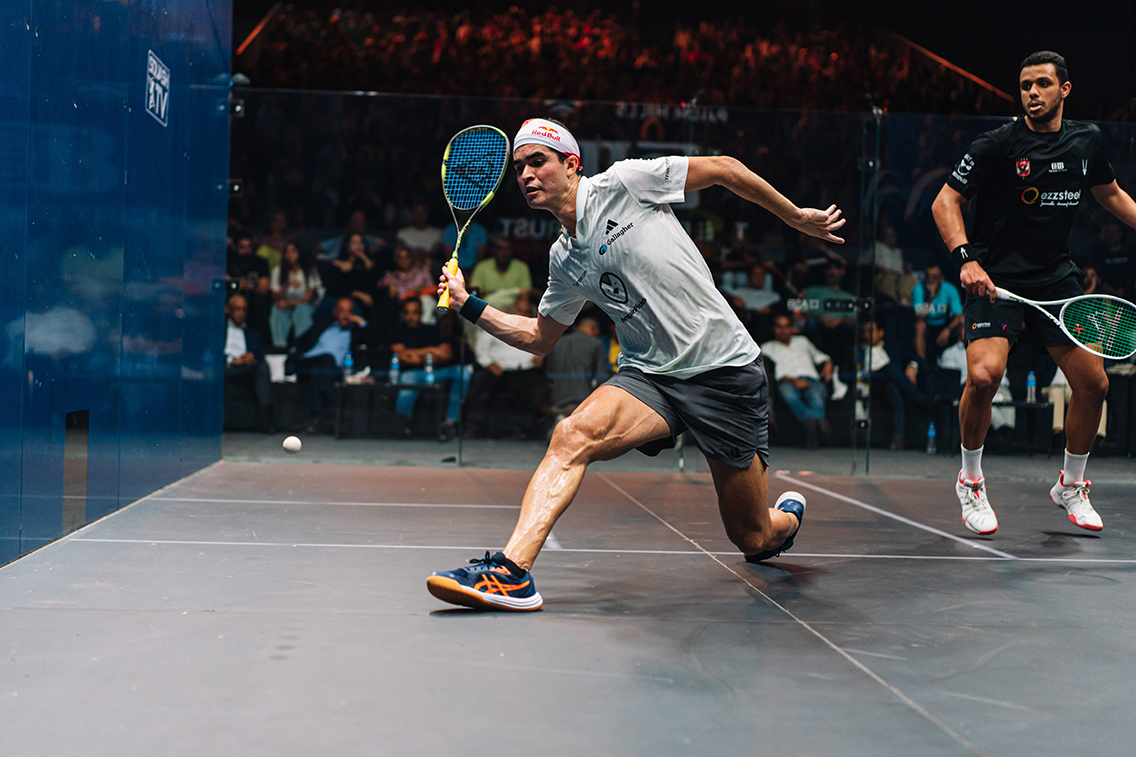
Listed below are some of the top squash players' strings and tension preferences (subject to change at any time, especially when it comes to string tension).
Mostafa Asal - Tecnifibre 305 1.20 (17g) at 26 lb.
Elias Diego - Ashaway UltraNick 18 Blue at 25 lbs
Marwan El Shorbagy - Tecnifibre 305 1.20 (17g) at 24 lb
Mohamed ElShorbagy - Tecnifibre Dynamix V.P. 17L at 26 lb
Joelle King - Ashaway PowerNick 18 at 28 lb
Conclusion
Clearly, the strings and tension are a matter of personal preference depending on your level and style of play.
Having said that, if you are unsure of which strings to choose, we would like to recommend the following as a starting point in your quest to find the right string for your game.
Tecnifibre 305 1.20 (17g) at 26 pounds is a classic choice among professionals.
Ashaway UltraNick 18 blue is a more durable option from another well-known brand that offers excellent power and touch.
Xamsa PM 18 multifilament string is an affordable alternative to higher priced strings from other brands, featuring a textured surface and thin gauge for improved ball control and spin.
Leave a comment